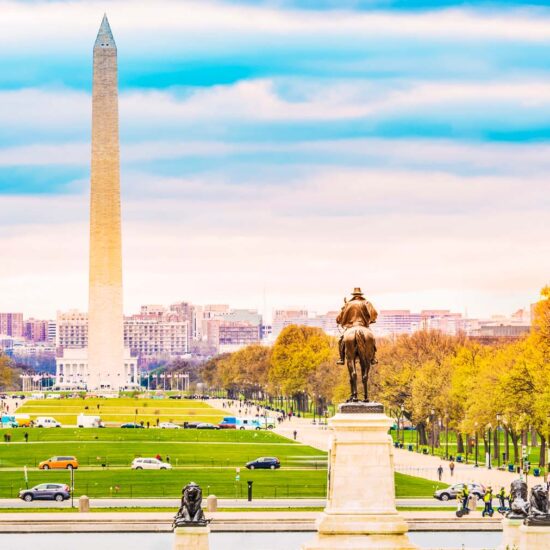
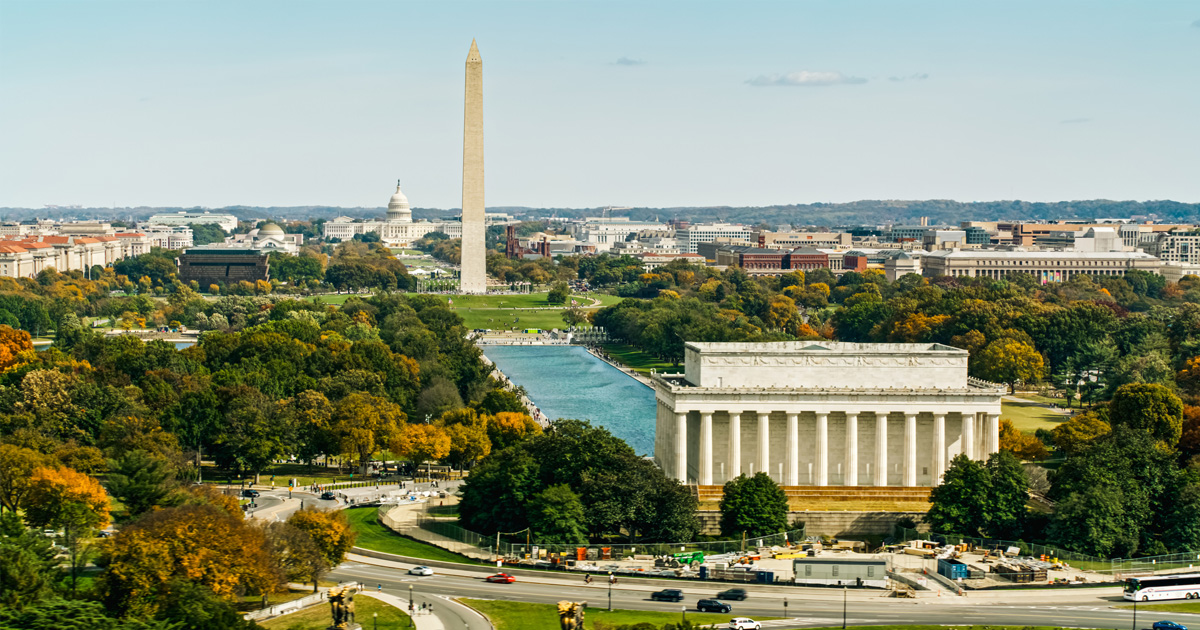
Historic Places to Visit Near Washington, D.C. and Beyond
Washington, D.C. is filled with iconic monuments, world-class museums, and powerful historical landmarks. But some of the most meaningful places that shaped America are located just beyond the city. If you have extra time during your visit to the nation’s capital, several remarkable historic destinations within a short drive offer deeper insight into the country’s founding and defining moments.
From the home of America’s first president to the battlefield that changed the course of the Civil War, these nearby locations provide an unforgettable journey into the nation’s past.
George Washington’s Mount Vernon
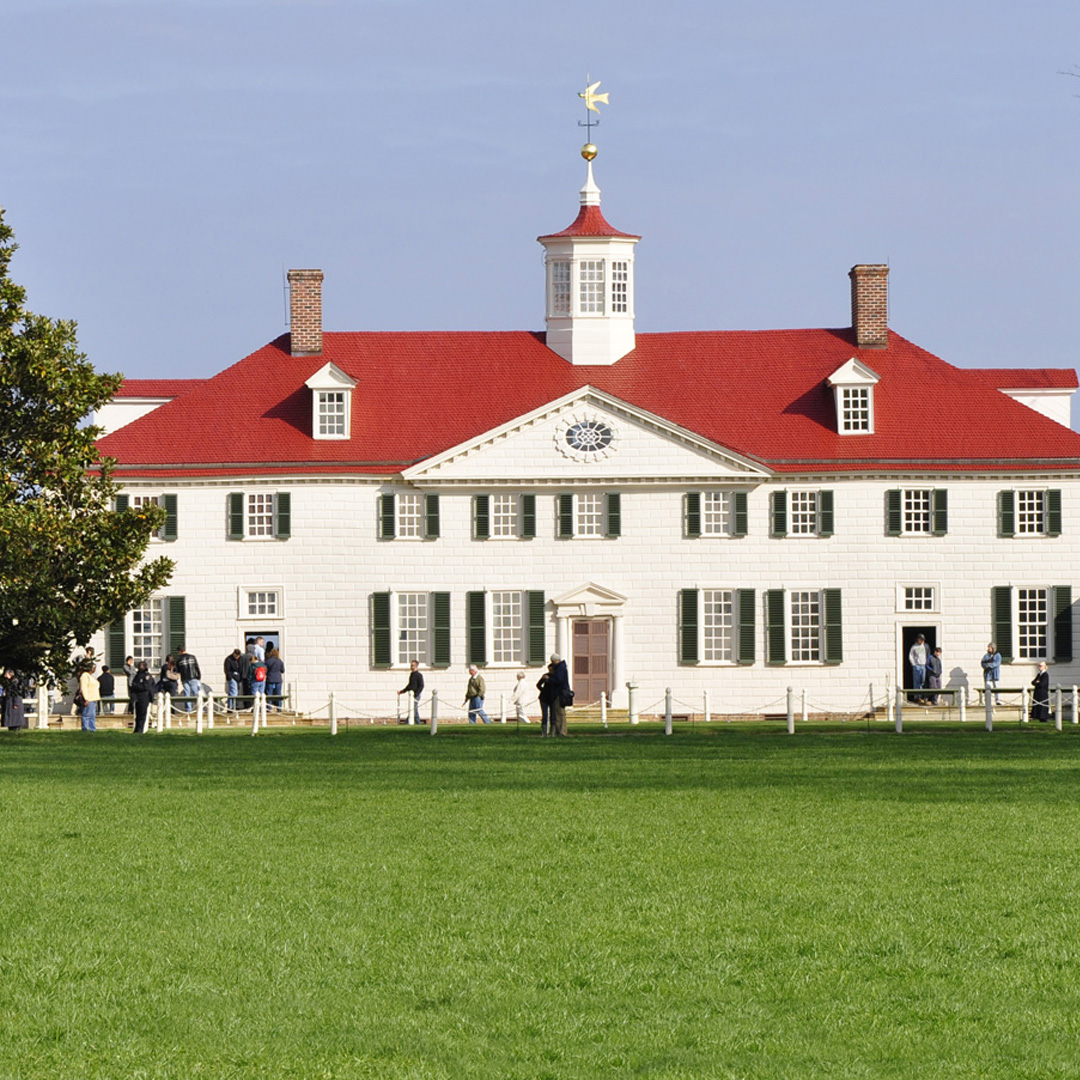
Just 16 miles south of Washington, D.C., George Washington’s Mount Vernon offers visitors the chance to step into the life of America’s first president.
This beautifully preserved estate, home to George Washington, sits along the scenic banks of the Potomac River. The property includes the historic mansion, expansive gardens, working farms, and Washington’s tomb.
Visitors can tour the mansion to see period furnishings, explore the museum exhibits, and learn about Washington’s leadership during the Revolutionary War and the founding of the United States. The estate also highlights the lives of the enslaved individuals who lived and worked at Mount Vernon, offering a fuller understanding of the era.
Mount Vernon is one of the most visited historic estates in America and provides a powerful glimpse into the personal life of the nation’s first president.
Gettysburg National Military Park and Museum
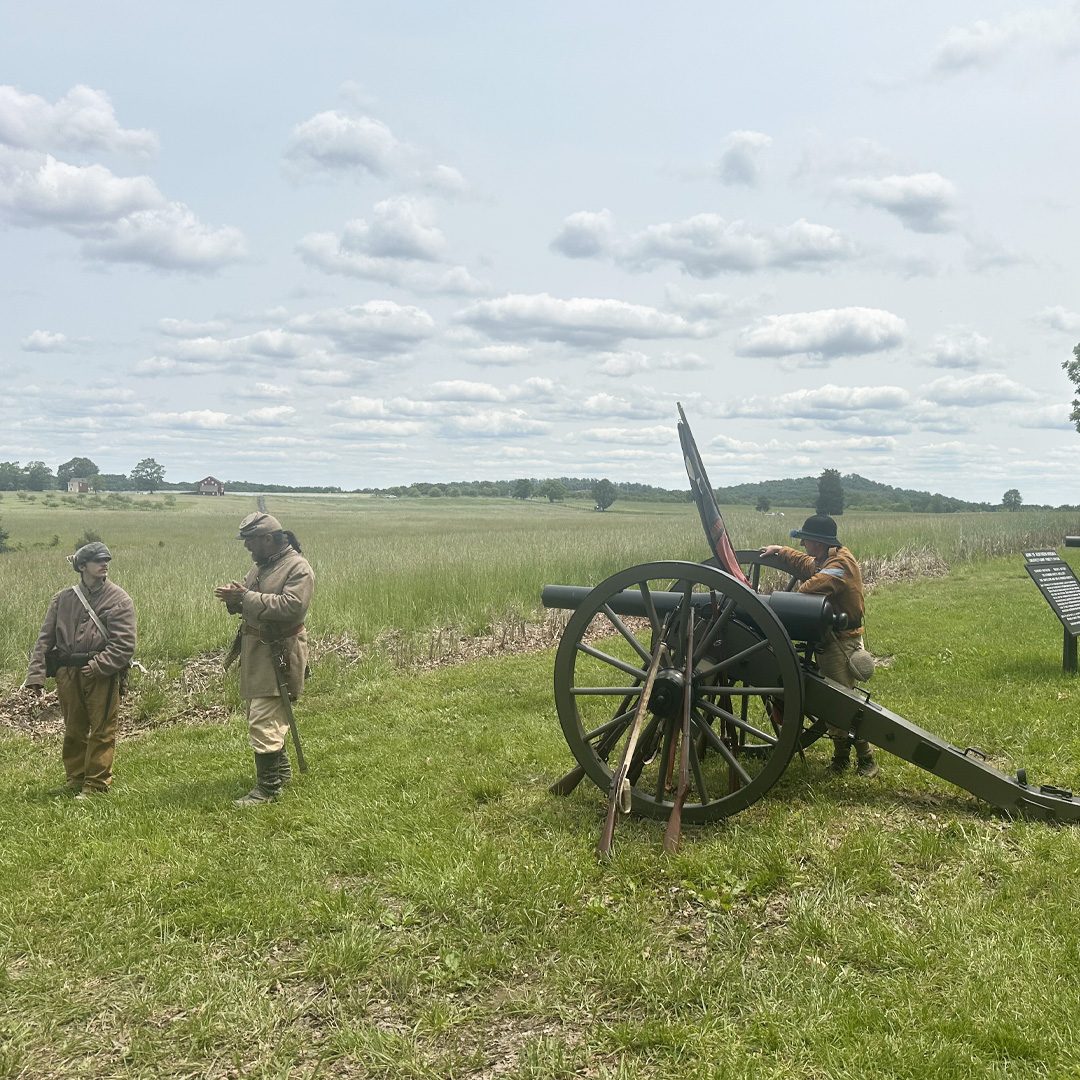
About 90 minutes north of Washington, D.C., visitors can explore one of the most significant battlefields in American history at Gettysburg National Military Park.
The site preserves the grounds where the pivotal Battle of Gettysburg took place in July 1863. Over three days, Union and Confederate forces fought in what became the turning point of the Civil War.
Today, the park includes miles of preserved battlefield landscapes, monuments honoring the soldiers who fought there, and a comprehensive visitor center with an award-winning museum. Guests can take guided tours, walk key battle sites like Little Round Top and Cemetery Ridge, and view the famous Gettysburg Cyclorama.
Gettysburg is also where President Abraham Lincoln delivered the historic Gettysburg Address, redefining the purpose of the war and the nation’s ideals.
Thomas Jefferson’s Monticello
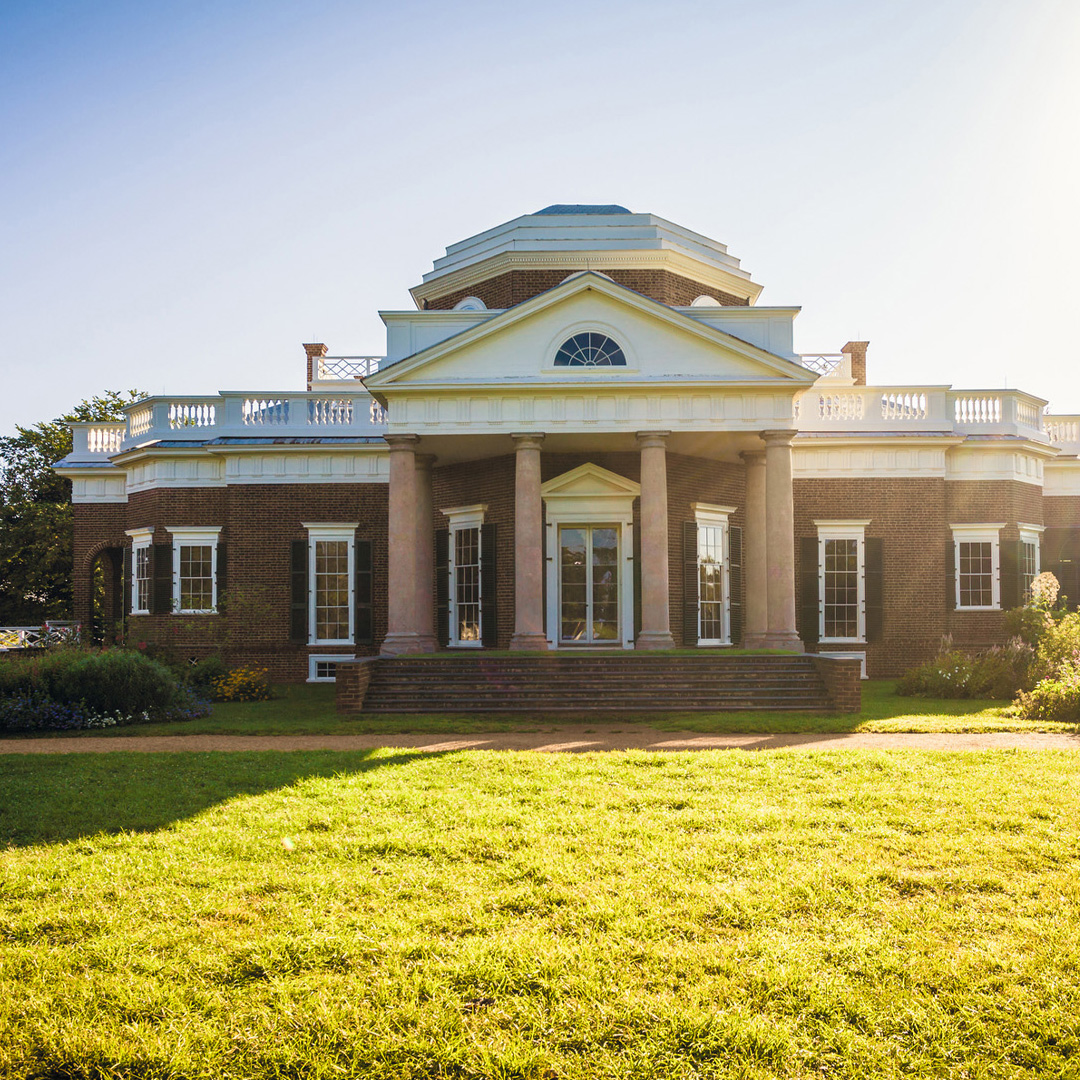
Located near Charlottesville, Virginia, Monticello was the plantation home of Thomas Jefferson and the principal author of the Declaration of Independence.
Monticello is a UNESCO World Heritage Site and one of the most architecturally unique homes in America. Jefferson personally designed the estate, incorporating classical European influences with innovative design ideas that were far ahead of his time.
Visitors can tour the house, explore Jefferson’s gardens and grounds, and learn about his work as a statesman, inventor, and philosopher. The site also presents the complex history of the enslaved community that lived at Monticello, including the story of Sally Hemings and her descendants.
A visit to Monticello offers a fascinating look into the mind of one of America’s most influential founding fathers.
Colonial Williamsburg
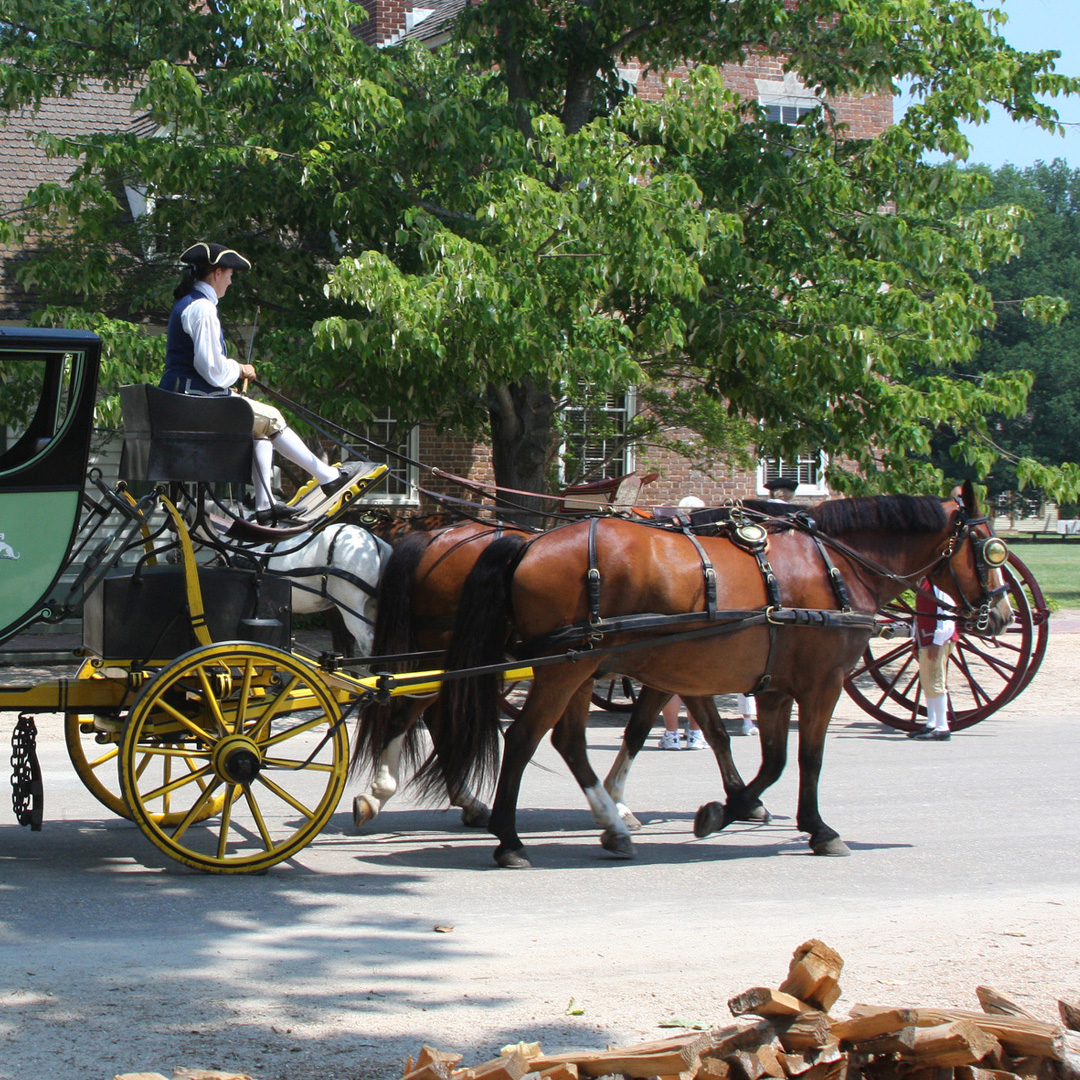
Step back into the 18th century at Colonial Williamsburg, the largest living-history museum in the United States. Located in Virginia’s historic triangle, Colonial Williamsburg recreates life in the years leading up to the American Revolution. The restored town features hundreds of original and reconstructed buildings where costumed interpreters demonstrate colonial trades, political debates, and everyday life.
Visitors can watch blacksmiths and artisans at work, tour the Governor’s Palace, and learn how the early American colonies debated independence from Great Britain.
Colonial Williamsburg offers an immersive experience that lets guests walk the same streets where America’s early leaders shaped the nation’s future.
Extend Your Washington, D.C. Experience
Washington, D.C. offers incredible monuments and museums, but exploring the surrounding historic destinations brings the nation’s story to life even further. From the personal homes of the founding fathers to the fields where pivotal battles were fought, these locations deepen your understanding of America’s history.
Whether you’re visiting for the first time or returning to discover more, adding these destinations to your itinerary will make your journey through the nation’s history even more memorable.